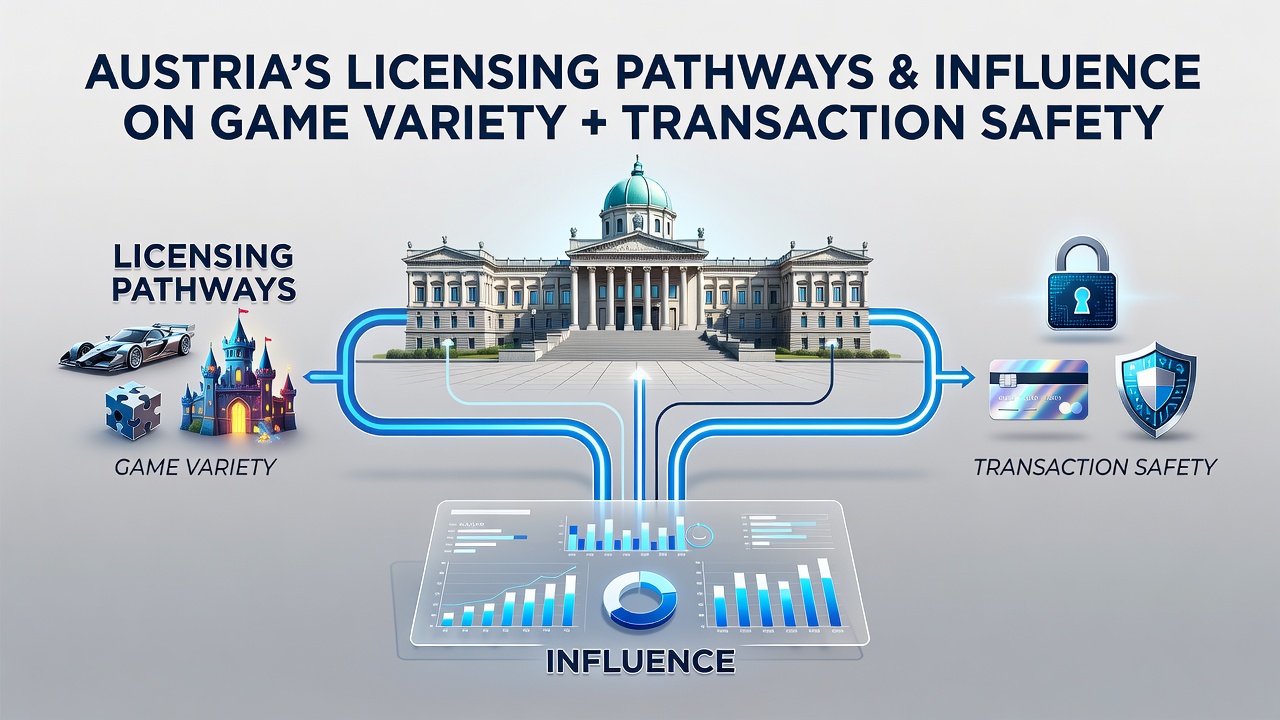
Austria's Licensing Pathways and Their Influence on Game Variety Plus Transaction Safety
Austria structures its gambling sector through the Glücksspielgesetz, which channels all licensing decisions through the Federal Ministry of Finance, and this centralized approach determines which operators receive authorization while defining strict boundaries on game offerings and payment protocols. Observers note that applicants must demonstrate compliance with capital requirements, technical standards, and responsible gaming measures before any license receives approval, and those pathways directly limit the number of active operators at any given time.
Current Licensing Pathways in Austria
Land-based casinos operate under long-term concessions awarded to specific entities, whereas online activities follow separate authorization routes that restrict licenses to a small group of providers, and this dual-track system creates clear distinctions between physical venues and digital platforms. Data from regulatory filings shows that online licenses emphasize server location within the European Economic Area along with rigorous identity verification processes, while sports betting permits follow yet another set of criteria focused on event integrity and real-time monitoring. Those who've examined recent applications point out that August 2026 marks the scheduled review window for several existing concessions, which means operators must submit updated compliance documentation well in advance to maintain continuity.
How Licensing Shapes Game Variety
Licensed operators gain permission for particular game categories only after demonstrating that each title meets technical certification and player protection standards, and this requirement results in a controlled selection rather than an open marketplace of international titles. Research indicates that slot machines, table games, and certain live dealer formats appear consistently across authorized platforms, yet the total count remains lower than in markets with multiple competing license types. One study revealed that Austria's framework excludes many progressive jackpot networks and certain skill-based games because they fall outside the predefined approval categories, and this restriction channels player activity toward the permitted offerings.
Transaction Safety Requirements
Every licensed pathway incorporates mandatory payment safeguards including segregated player accounts, encrypted transaction channels, and regular audits of financial flows, and these measures reduce exposure to unauthorized access or delayed payouts. Figures reveal that operators must integrate only approved payment service providers that themselves hold relevant European authorizations, which adds an additional layer of oversight to deposit and withdrawal processes. Those monitoring compliance records note that transaction monitoring systems must flag suspicious patterns in real time, and failure to maintain these controls triggers immediate license review proceedings.
Regulatory Oversight and Compliance Standards
The Federal Ministry of Finance conducts ongoing supervision through both scheduled inspections and random audits, and this continuous monitoring ensures that game fairness testing and financial security protocols remain active throughout the license period. According to official records, operators must submit quarterly reports detailing transaction volumes alongside any detected irregularities, and these submissions feed into broader statistical analyses used for policy adjustments. What's interesting is that the same oversight framework also enforces advertising restrictions, which limits how new game releases reach potential players and further shapes the visible variety within the market.
International Context and Data Comparisons
European Commission reports on member state gambling frameworks highlight Austria's concentrated licensing model as distinct from multi-license systems found elsewhere, and these comparisons show measurable differences in both game counts and reported transaction security incidents. A research paper from an Australian academic institution examined cross-border player behavior and found that stricter entry barriers correlate with higher compliance rates in payment processing, though the study also noted reduced overall choice for participants. Observers tracking these trends point out that Austria's approach prioritizes centralized control, and this priority produces consistent safety metrics while constraining expansion of game libraries.
Conclusion
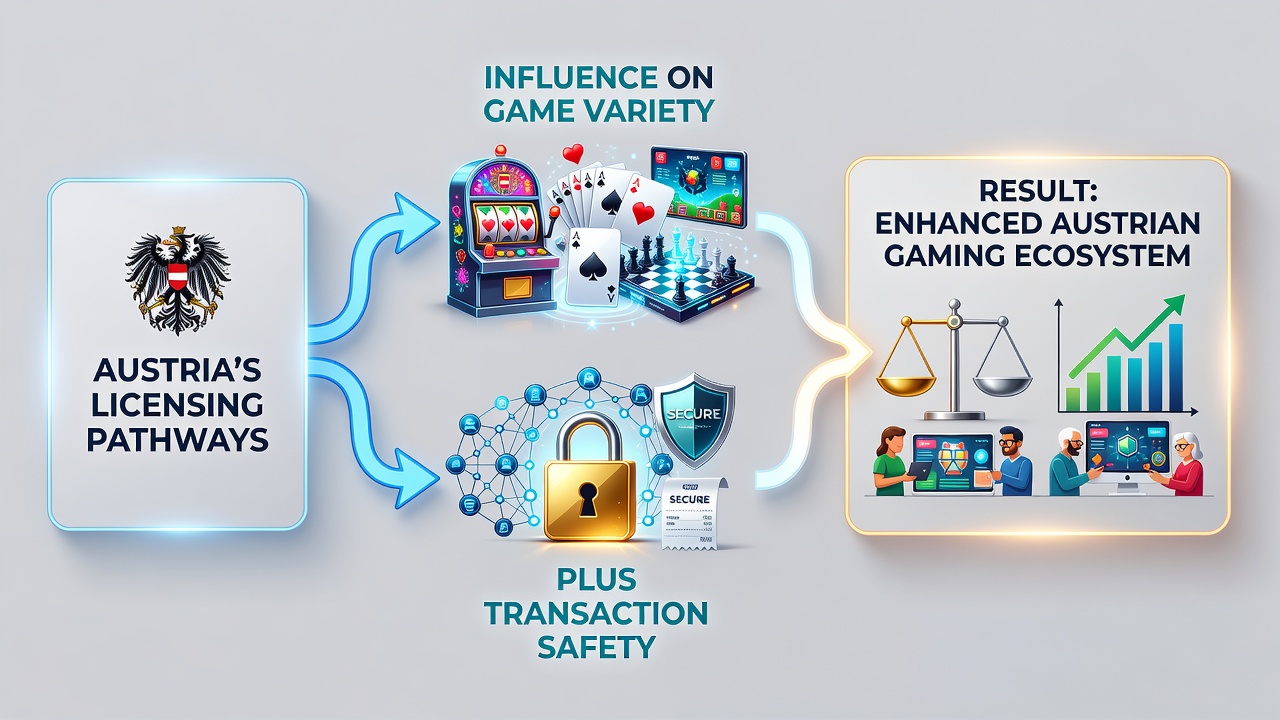
Austria's licensing pathways create a tightly integrated system where game variety and transaction safety both stem from the same set of regulatory requirements, and upcoming reviews scheduled for August 2026 will test whether current operators continue to meet those evolving standards. Data shows that the resulting market features fewer but more closely supervised options, and this structure continues to influence how players experience both entertainment choices and financial protections. Those following regulatory developments expect further refinements as technology and international standards advance, yet the core pathways remain anchored in national legislation that balances access with oversight.